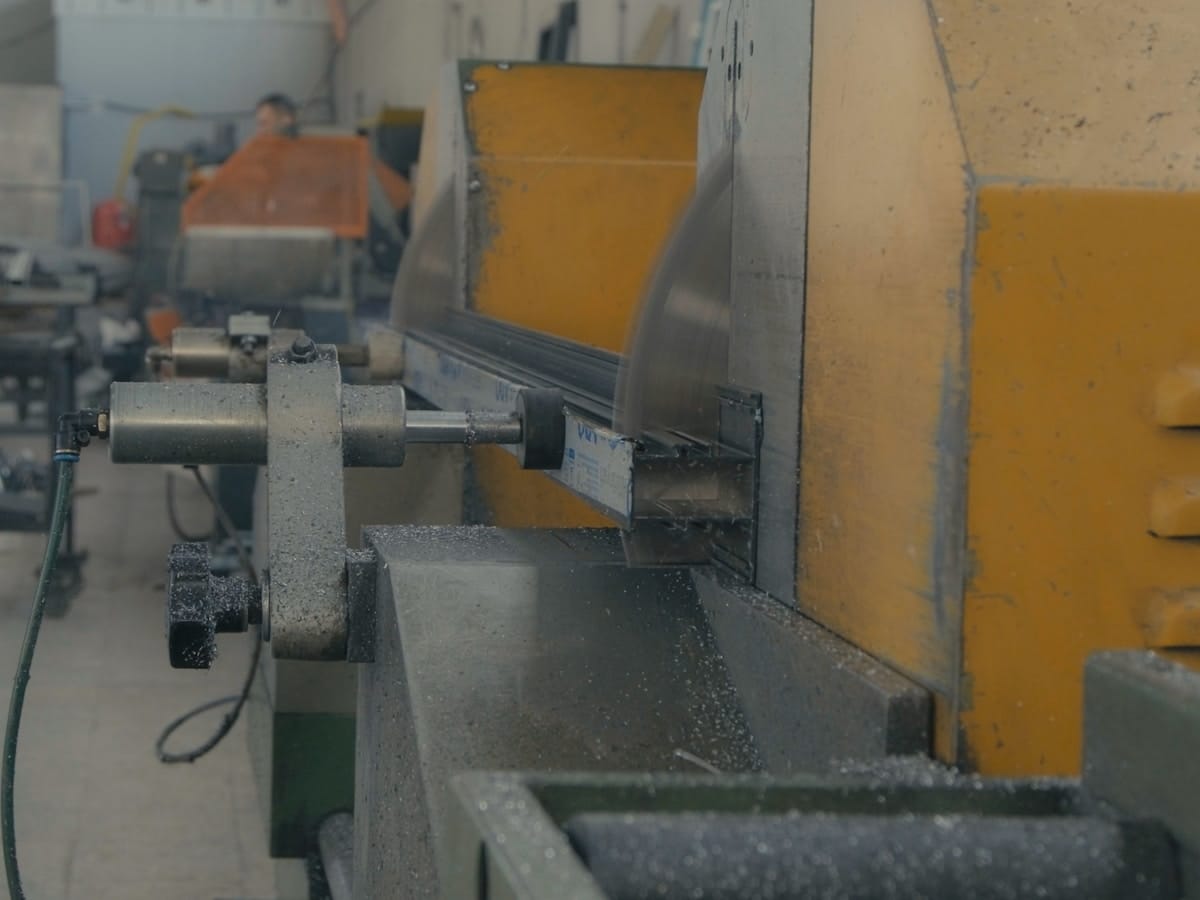
Funding manufacturing businesses
Working capital, plant, and growth finance for UK manufacturers across precision engineering, contract manufacturing, and process production.
How manufacturing businesses typically fund growth
UK manufacturing has one of the deepest funder markets in any sector. The typical capital structure runs four strands in parallel. Invoice finance covers working capital against the trade-debtor ledger. Asset finance funds plant and equipment, refinanced periodically to release equity for new capacity. A revolving overdraft or short-term facility absorbs the day-to-day swing. Term lending against the freehold factory or yard sits underneath as the long-duration layer. For larger operators, asset-based lending consolidates several of those strands into one revolving facility with combined availability against debtors, stock, plant, and sometimes property.
The exact mix shifts with order-book volatility. A contract manufacturer with one large customer looks very different to a precision-engineering business with a wide spread of accounts. A process manufacturer running continuous production carries different stock and WIP exposure to a job-shop operator. Specialist manufacturing lenders read these patterns and price them differently, but the deepest pricing usually comes from funders that focus on the sector.
What lenders look at in manufacturing files
Underwriters reading a manufacturing file want three things up front: an honest aged-debtor analysis, a current asset register with replacement values rather than book values, and a clear view of customer concentration. Beyond those, sector-specific watch-outs include FX exposure on imported raw materials, the age and condition of CNC and other production assets, energy cost where process heat is significant, and the order-book to capacity ratio.
Files that name these directly read as credible. Files that hide them get repriced or declined when the underwriter discovers them mid-process. The most common avoidable delay we see in manufacturing files is a stock-write-down discovered at the funder's stock audit that the borrower had not signalled in the application.
Product overlap
Bedrock places manufacturing files across invoice finance for working capital against the trade-debtor ledger, asset finance and asset-based lending for plant and combined-collateral facilities, cashflow loans for one-off contracts, acquisitions, and restructure events, property finance where the factory or yard is the anchor security, and equity for businesses raising growth capital around major capacity expansion or generational succession.
Worth checking before you apply
The single most useful preparation before a manufacturing application is a clean split between direct material cost and overhead in the management accounts. Files where the cost base reads as a single "cost of sales" line take longer to underwrite and tend to price worse than files where the gross margin trail is obvious from the first page. If your accounts do not currently present that split, ask your finance team to rework the most recent twelve months before you submit.
Bedrock has the funder spread to compare invoice-finance pricing across 12+ providers without the borrower having to run a panel themselves — useful when working-capital pricing is the binding constraint.
Funding insight for manufacturing businesses.
Practical analysis of the structures, underwriting questions and watch-outs that shape funding in this sector.
 Manufacturing
JLR’s job cuts: the cashflow questions West Midlands suppliers should answer now
Check order schedules, cash headroom and existing security before a funding conversation becomes urgent. JLR’s restructuring is a reason to test your options early.
- Manufacturing
Buying a factory or warehouse: the commercial mortgage cash test for manufacturers
A commercial mortgage can fund a manufacturer’s factory or warehouse, but the deposit is only one part of the cash requirement. This guide tests the property, trading business, move costs and working-capital reserve together before deciding whether buying is affordable.
- Manufacturing
Refinancing plant to fund the order book, not the next machine
When a growing order book strains working capital, refinancing CNC and production plant you already own usually releases cleaner, cheaper cash than an unsecured term loan against materials and WIP.
- Manufacturing
Funding a long order book before a single invoice exists
Make-to-order manufacturers pay for materials, long-lead components and supplier deposits months before they can invoice. Trade finance, stage payments and WIP funding close that gap when standard invoice finance cannot.
Need finance in the manufacturing sector?
The first conversation tells us the deal context. We come back with indicative options once we've sounded out the right funders.