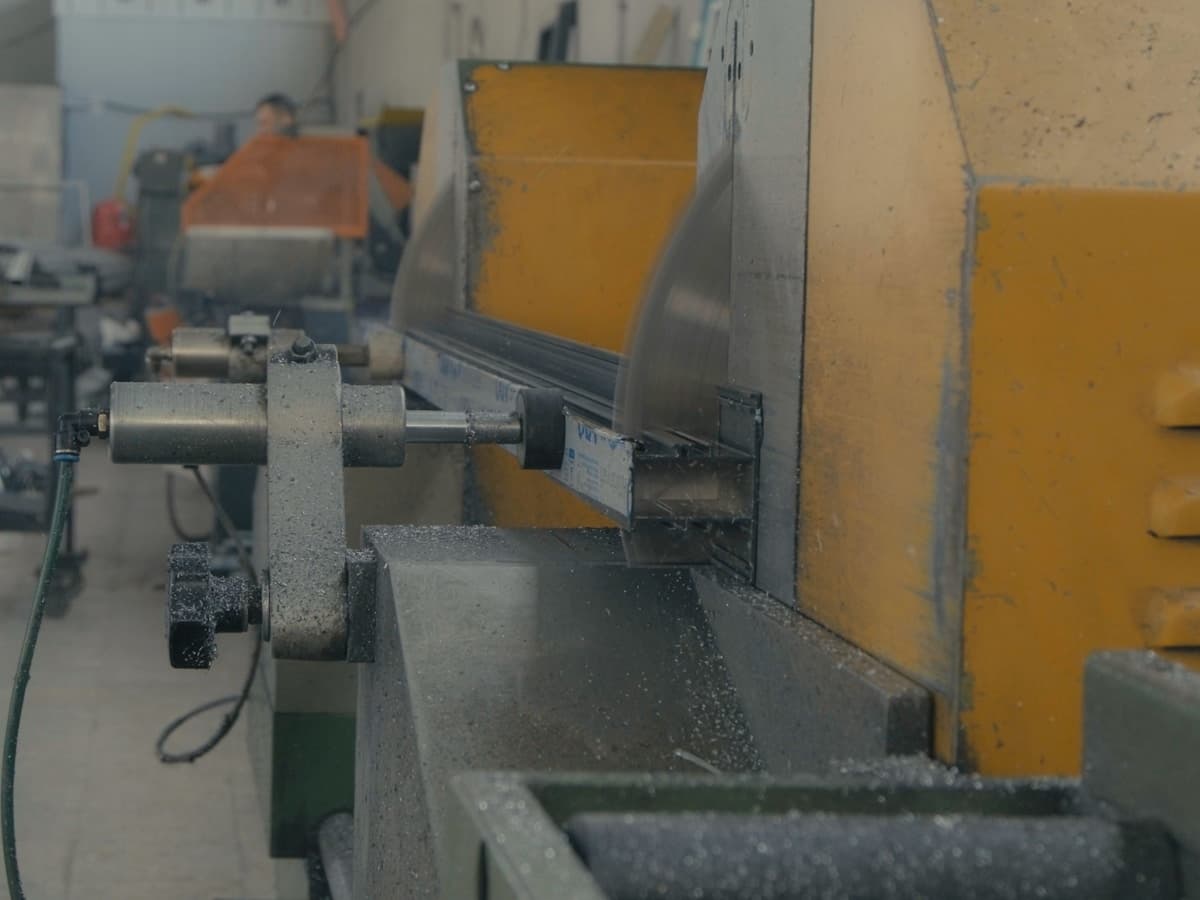
The order book is full, the machines are paid off, and the business is still short of cash. That is the most common version of a good problem in UK manufacturing: growth that outruns working capital because materials, sub-assemblies and labour go out the door months before the customer pays. The instinct is to borrow against the growth — an unsecured term loan sized to the contracts you have just won. The better move, in most cases, is to refinance the plant you already own and let the kit fund the materials.
Why kit you own is the cheaper collateral
A manufacturer with a yard full of CNC machining centres, press brakes, injection-moulding tools or a paid-down production line is sitting on security that a lender can value, inspect and recover. An asset-backed facility prices off that. An unsecured cashflow loan prices off your covenant and your projections, which is a far weaker basis, so it costs more and the limit is lower. The gap is structural, not a quirk of one lender's risk appetite.
Sale-and-leaseback is the mechanism. You sell an owned, identifiable asset to a funder and lease it straight back, keeping uninterrupted use of it on the shop floor. The cash released is yours to deploy as working capital. Advances usually land somewhere in the region of 60 to 85 per cent of the asset's value, with the funder taking a view on age, make, secondary-market demand and how specialised the machine is. A five-axis machining centre from a recognised builder holds value and supports a higher advance. A bespoke single-purpose line built for one customer's part supports far less, because nobody else can use it if you stop paying. This sits under asset finance, and it works even where there is outstanding finance still owing on the asset — the funder settles the existing agreement and advances against the equity above it.
The point worth holding onto: you are not buying anything. Conventional asset finance funds the next machine. Refinance does the opposite — it turns a machine you have already bought into cash for materials and labour. That is the question this article is about, and it is a different question from how to fund capacity expansion.
Refinance versus an unsecured loan, head to head
Run the two side by side for a business that needs, say, several hundred thousand pounds to buy steel and components ahead of a contract.
- The unsecured term loan is fast and needs no asset valuation, but the limit is capped by your profitability, the rate reflects unsecured risk, and many such facilities carry personal guarantees that a secured deal against the machine may not need to the same depth.
- The plant refinance takes longer to set up because the assets get inspected and valued, but it typically releases more cash at a lower rate, spread over a term that matches the working life left in the kit. The asset is the comfort, so the lender leans less on you personally.
If the plant is genuinely owned and has resale value, refinance wins on cost and limit almost every time. The unsecured loan earns its place only when you have no qualifying assets, when speed beats everything, or when the sum is small enough that the valuation cost is not worth it. For a one-off bridge to a single contract, a cashflow loan can be the right call. For recurring order-book pressure, refinancing the asset base is the structure that holds.
The tax point most directors miss
Selling plant into a leaseback is a disposal for capital-allowances purposes. If the sale proceeds exceed the tax written-down value sitting in your pool, you can trigger a balancing charge — effectively a clawback of allowances you have already claimed, taxed as a trading receipt in that year. It will not always bite, and it is rarely large enough to kill a deal, but it is real cash and it should be modelled before you sign, not discovered by your accountant after. Whether the leaseback is structured as a finance lease or an operating lease also changes how the rentals and the asset appear in your accounts and what you can claim. Have your accountant run the numbers on the specific assets before committing. A funder will not flag this for you; it is not their tax bill.
When to reach for one facility instead of three
There is a scale point where stacking individual leaseback agreements on each machine stops making sense. A manufacturer with a strong debtor ledger, decent stock and a meaningful plant base is often better served by asset-based lending — a single revolving facility that draws combined availability against debtors, stock and plant at once, refreshing as the order book turns. That gives you one limit that breathes with the business instead of a fixed lump that you spend down and then have to refinance again.
The cleanest version is usually a pairing. Refinance the plant to put a working-capital base in place, and run invoice finance over the sales ledger so that every delivery converts to cash within days rather than on the customer's terms. The plant funds the build; the ledger funds the wait for payment. Neither relies on your covenant the way an unsecured loan does, and together they cover the full cash cycle from raw steel to settled invoice.
What to get ready before you ask
A refinance is underwritten on the assets, so the file lives or dies on the asset detail. Pull together an accurate asset register with make, model, serial number, year and a realistic current value rather than book value — funders discount book values heavily and reward honesty. Be straight about any existing finance on each machine and who holds title. Show the order book that creates the working-capital need, because a lender funding growth wants to see the growth is contracted, not hoped for. Files that arrive with this detail get to terms in days. Files that arrive with a vague "we've got about a million quid of kit" get repriced or stalled while everyone hunts for the serial numbers.
If you want to see how this sits alongside the rest of a manufacturer's funding stack, the manufacturing sector page sets out where refinance fits against invoice finance, term debt and property lending. The short version: when the machines are paid for and the order book is the constraint, the machines are the answer.