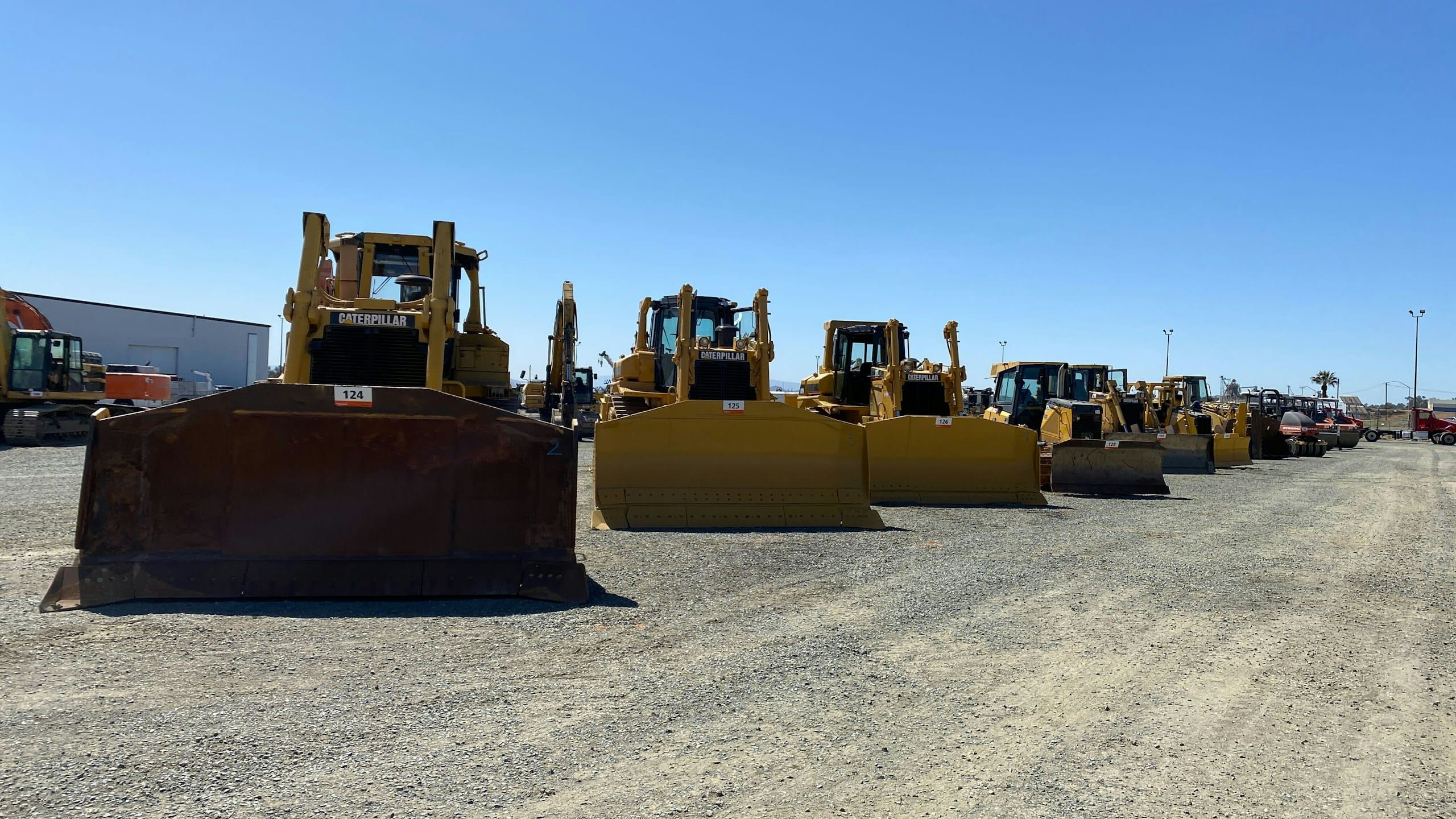
Plant and equipment buyers
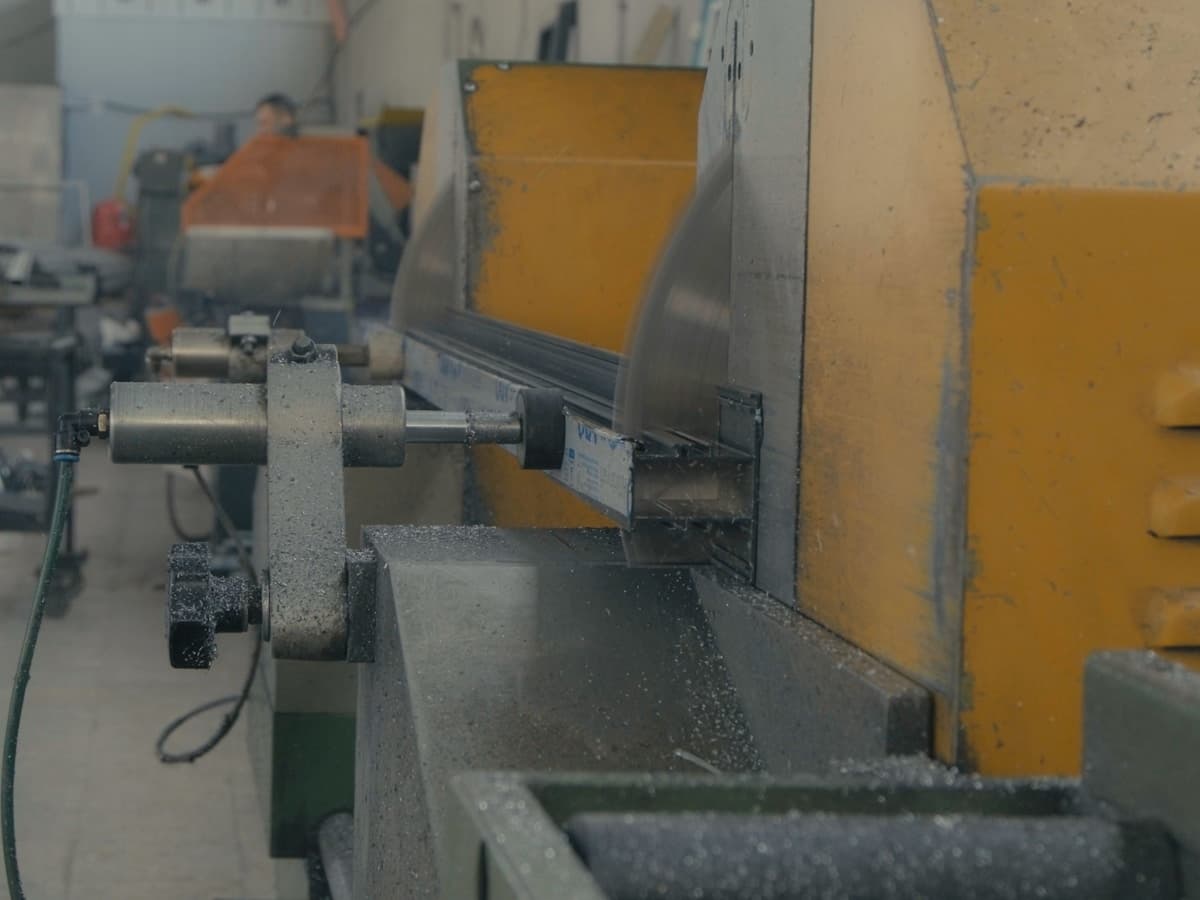
Anything from a single tracked excavator to a fleet of CNC machines. New or used, UK or import, hard or soft asset.
Hire purchase and finance lease for asset acquisition. Refinancing to release capital from plant and equipment you already own.
Asset finance covers two distinct things for UK businesses. It funds the acquisition of plant, vehicles and production equipment through hire purchase and finance lease. It also releases capital tied up in assets the business already owns, by refinancing them against their current value. Each uses the asset as primary security.
Hire purchase transfers ownership at the end of the term and suits assets the business intends to keep. Finance lease keeps the asset on the lender's books; your accountant should confirm the balance-sheet treatment for your circumstances. Refinance can release capital from assets already on the books: a lender advances a proportion of the asset's current value, the business repays over a fixed term and keeps using the equipment throughout. Nothing changes on the workshop floor.
Asset finance is served by a wide range of specialist funders in the UK. Pricing and appetite vary by asset class, age and the borrower's trading profile. Different funders favour different categories, and advance rates can vary materially. The work is matching the specific asset and business to the funder most likely to write the deal.
Two estimators for asset finance. This one shows what monthly repayments might look like on equipment you are buying. The refinance calculator (opens in a new tab) shows how much cash equipment you already own could release.
Enter an asset cost, deposit and term to see a bounded payment illustration. A funder's final pricing depends on the asset and your business.
From £10,000 to £5,000,000.
Optional. The amount financed must remain at least £10,000.
At 8.5% illustrative effective annual rate
Monthly payments of £1,832.89 would total £109,973.31 over 60 months, covering £90,000 of principal and £19,973.31 in interest at the 8.5% illustrative rate.
Monthly payment by term
Shortest term is 2.2x the longest monthly payment at these inputs.
Assumptions
8.5% illustrative effective annual rate. Fees, VAT, balloon and purchase-option payments excluded. Actual pricing varies by asset, term, deposit and underwriting.
Limitations
Actual pricing depends on asset type, deposit, credit profile and lender appetite. Fees, VAT, balloon and purchase-option payments are excluded.
Updated 22 August 2026
Try a shorter or longer term using the selector above. When ready, ask Bedrock to source indicative pricing from asset funders.
Indicative only - not a quote or offer. Subject to underwriting. Assumes an 8.5% illustrative effective annual rate. Excludes fees, VAT, balloon and purchase-option payments. Actual pricing varies by asset, term, deposit and underwriting.
Get indicative terms from our teamThree patterns we see most often. The first conversation finds out which one you're closest to.
Anything from a single tracked excavator to a fleet of CNC machines. New or used, UK or import, hard or soft asset.
HGV, LCV, coach and specialist commercial vehicle fleets. Cyclical refresh funded across the cycle.
Release capital from plant or vehicles already on the balance sheet. Used for growth opportunities, acquisitions or paying down higher-cost debt.
The sectors below are where this product fits most often. Each links to a fuller sector page.
Valuation, advance, repayment, and what happens to the asset meanwhile.
Plant, vehicles or production equipment on your balance sheet: fully paid off, or with remaining equity in a part-financed deal. That value is working for the business operationally. With refinancing, it can work financially too.
The funder assesses the equipment's open-market value, its age and condition, and how readily it could be sold. Different asset categories attract different advance rates.
Following valuation and credit assessment, an approving lender may advance a proportion of the assessed value as a lump sum. You repay over a fixed term, typically 24 to 60 months, in structured monthly payments.
You keep using the equipment throughout the term. The refinance agreement is between you and the lender. Your customers, operators and suppliers see no difference.
All figures are indicative. What the calculator can show for a typical piece of equipment.
Illustrative example. A groundworks contractor owns a telehandler (three years old, fully paid off) with an estimated open-market value of around £45,000. It needs working capital ahead of a busy spring contract.
Why the figure looks conservative: The calculator values equipment on a recovery basis: what a lender could realistically recover if it had to sell the asset quickly, not what it would fetch in a normal sale. A lender's actual offer after inspecting the asset is often higher than this figure. The tool is conservative by design.
Illustrative only. All figures are indicative. They are not a quote, offer or commitment. Real terms depend on the specific asset, its age and condition, the business's trading history and the lender's current appetite.
The calculator produces an indicative estimate from the figures you enter. It covers UK limited companies and the plant and equipment categories below. It is not a lender quote or offer: Bedrock is a commercial finance broker, not a lender. Using the calculator does not involve a credit search.
The calculator is built for working hard assets owned by UK limited companies.
Excavators, telehandlers, cranes, aerial work platforms (MEWPs), piling rigs and compaction equipment.
Tractors, combine harvesters, sprayers, cultivators and grain-handling equipment.
HGVs, articulated lorries, flatbed and curtainsider trailers, refrigerated trailers.
Counterbalance forklifts, reach trucks, order pickers and conveyor systems.
CNC machining centres, CNC lathes and turning centres, press brakes.
Injection moulding machines, woodworking machinery, commercial printing presses, packaging lines.
Outside the calculator: Catering equipment, refrigeration, IT hardware, shop fit-out and office furniture fall outside the calculator, because releasing cash against an asset depends on a resale market that those generally do not have. Bedrock still arranges asset finance on them, usually to fund a purchase rather than to release cash against one.
Range or valuation: Not every hard asset class has enough market data for an instant range. Where the calculator returns 'subject to valuation' rather than a figure, that simply means Bedrock obtains a direct lender assessment and comes back with indicative terms. It is not a decline.
A printing press can be worth a great deal and still not work as refinancing security. What matters to a lender is not the purchase price, but whether it could recover the asset and find buyers for it. The DIMS test is how that is assessed.
An asset must pass all four criteria. Failing any single one is enough to classify it as not fundable, regardless of what it would fetch in a normal sale.
Long economic life; holds value over that life.
Carries a serial number or registrable identity that survives a change of ownership.
Can be recovered and relocated without destroying value.
An established secondary market exists with active arm's-length buyers.
Fails: Moveable
Anchored to reinforced plinths with hydraulic and electrical services. Extraction requires specialist rigging, and value is materially reduced if the mould tooling does not accompany the machine.
Fails: Moveable, Saleable
Anchored to purpose-built factory floors and requiring specialist deinstallation. Structural decline in the commercial print sector has materially thinned the buyer base for older equipment.
Fails: Durable, Saleable
Short effective life under hygiene regulation, and a fragmented secondhand market without established arm's-length buyers.
Questions about how the process works and what the calculator can tell you.
No. Using the calculator does not involve a credit search. No personal or business details are required at the headline-estimate stage.
Potentially. If there is equity above the outstanding balance, a refinance can clear the existing agreement and advance the net proceeds to the business. The funder will assess the current value against what is still owed.
The funder assesses the open-market value of the equipment, its age, condition and how readily it could be sold. Different asset categories attract different advance rates. The figures from the calculator are illustrative ranges based on broad market norms, not a committed offer.
Typically 24 to 60 months, matched to the asset's remaining useful life. Longer terms lower monthly payments but increase total interest. Shorter terms suit businesses that want the asset debt-free before it is retired.
No. The calculator produces an indicative estimate based on the figures you enter. Real terms depend on a full assessment of the asset, the business's trading history and the lender's current appetite. Bedrock acts as a broker: we approach the funders most likely to write your deal and come back with real indicative terms.
In a sale and leaseback the business sells the asset to a funder and leases it back. In refinancing, the business retains ownership and borrows against the value. The accounting treatment and what happens at the end of the term differ. We will recommend whichever structure fits the deal better once we understand your situation.
Bedrock arranges this product for UK limited companies only. Sole traders, partnerships and LLPs are outside the scope of this product.
Five minutes on a call gives us enough to come back with indicative options once we've sounded out the right funders.