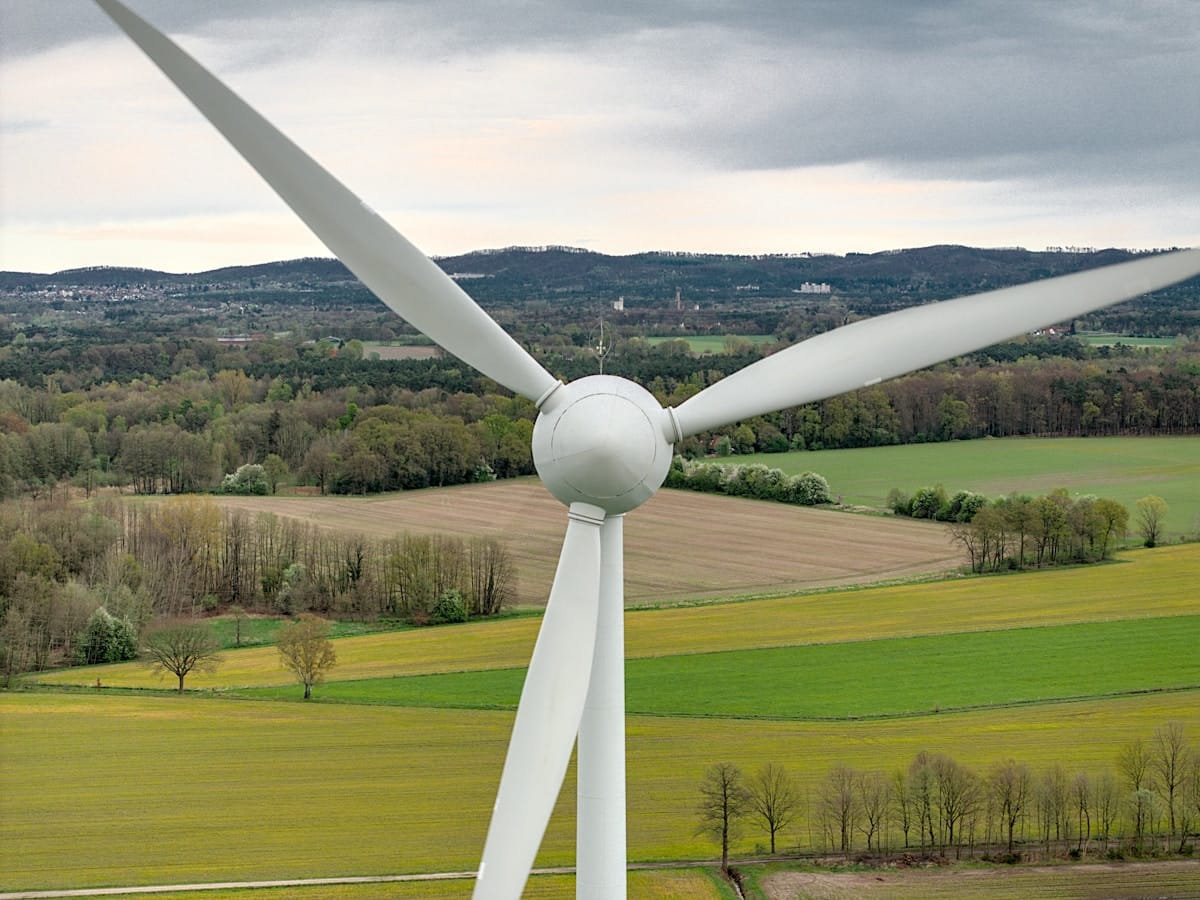
Funding energy businesses
Project finance, asset-backed lending, and growth capital for UK renewables, EV infrastructure, and energy-transition operators.
How energy businesses typically fund growth
The UK energy sector splits broadly into three funding patterns. Renewables and storage projects (solar, wind, battery, anaerobic digestion) are typically project-financed with a non-recourse special-purpose vehicle, debt sized against the contracted offtake or PPA, and a developer equity contribution underneath. EV charging infrastructure follows a similar shape but with shorter contract horizons and a stronger reliance on covenant-strength offtakers. Operating energy businesses (heating installers, EPC contractors, energy-management software, smart-meter operators) are funded more like conventional trading companies with invoice finance, cashflow loans, and asset finance against fleet and tools.
For larger transition projects, the capital stack frequently combines senior project debt with mezzanine or junior layers, sometimes with grant or public co-investment in the structure. Specialist energy debt funds have grown substantially as UK pension funds and infrastructure investors have moved into the asset class. Pricing on bankable projects with strong offtakes is competitive; pricing on merchant-exposed or speculative-grid projects is materially higher.
What lenders look at in energy files
Project-finance underwriting turns on five things: the technology track record, the offtake or PPA quality, the construction contractor's covenant and warranty package, the grid-connection timeline and risk, and the operations-and-maintenance plan post-COD. Files that present all five with independent technical and commercial advisor sign-off get to terms quickly. Files that leave one open get held while the missing piece is built.
For trading energy businesses, lenders look more like they do at any project-based or installation-led sector. Order-book quality, contract margin trail, retention exposure, and customer concentration are the metrics that move pricing. Compliance with MCS, ECO, and other accreditation schemes affects which contracts the business can win, and therefore the credibility of the forward pipeline.
Product overlap
Bedrock places energy files into property finance for ground-mount solar and large rooftop installations where freehold or long leasehold is involved, asset-based lending and asset finance for installation businesses with material plant and stock, cashflow loans for working capital and acquisitions, invoice finance for installation and service businesses with B2B receivables, and equity for transition-stage businesses seeking growth capital from infrastructure investors and clean-tech-focused funds.
Worth checking before you apply
For project finance, the offtake document is the single most important file in the data room. Whether the offtake is a PPA, a corporate offtake, a feed-in tariff, or a merchant-exposed structure changes the financing terms by orders of magnitude. Files that arrive with the offtake structure already term-sheeted, with covenant strength of the offtaker independently rated, move at a different speed to files where the offtake is still being negotiated.
The grid connection slot is often more valuable than the planning permission. Lenders price the gap between planning grant and grid connection differently, and projects with a long grid wait can refinance materially cheaper once the connection date crystallises.
Funding insight for energy businesses.
Practical analysis of the structures, underwriting questions and watch-outs that shape funding in this sector.
 Energy
Funding clean-tech installers when the asset sits on someone else's roof
Under a PPA or rooftop lease the developer never owns the array it installs, so there is no plant to charge. Lenders fund against contracted offtake instead, while installers bridge the supplier deposits that procurement lead times force on them.
- Energy
Bridging the grid-connection wait
A renewables project earns nothing until it energises, and the connection queue sets that date, not the developer. Funding a project whose revenue start could move by years needs a different structure entirely.
Need finance in the energy sector?
The first conversation tells us the deal context. We come back with indicative options once we've sounded out the right funders.